Víbora de la Mar: A Traditional Mexican Wedding Dance Explained
In the heart of Mexico's vibrant culture, weddings are a tapestry of joyous traditions. One of the most spirited and unforgettable customs is the "Víbora de la Mar," also known as "The Sea Snake." This lively Mexican wedding dance is a highlight of many celebrations, and as a Chicago wedding photographer, I've had the privilege of capturing its energy and meaning time and time again. If you are looking for some to capture vibora de la mar wedding contact us today!
What is the Vibora de la Mar? The "vibora de la mar" is more than just a dance; it's a symbolic representation of the journey a newly married couple embarks on together. The name itself, which translates to "sea snake," alludes to the unpredictable nature of the sea, mirroring the ups and downs a couple will inevitably face in their marriage. This traditional Mexican wedding game is a playful yet profound reminder that a strong marriage requires resilience, support, and a good dose of fun. This is a special moment during la vibora de la mar wedding.
How is the Vibora de la Mar Performed at a Wedding?
The "Víbora de la Mar" is a dynamic and interactive part of the wedding reception. Here's how it unfolds:
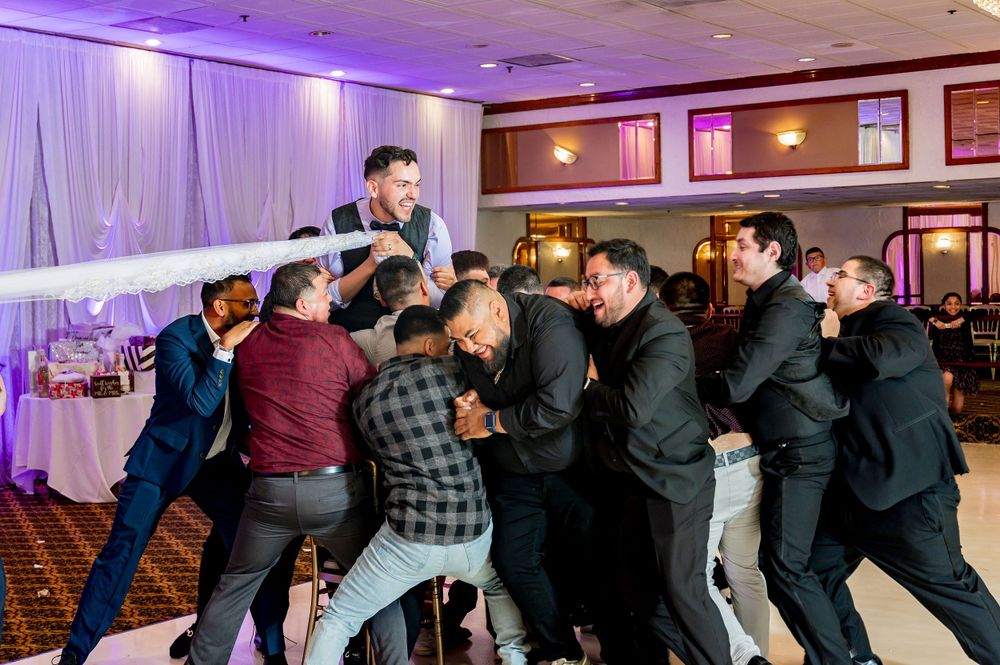
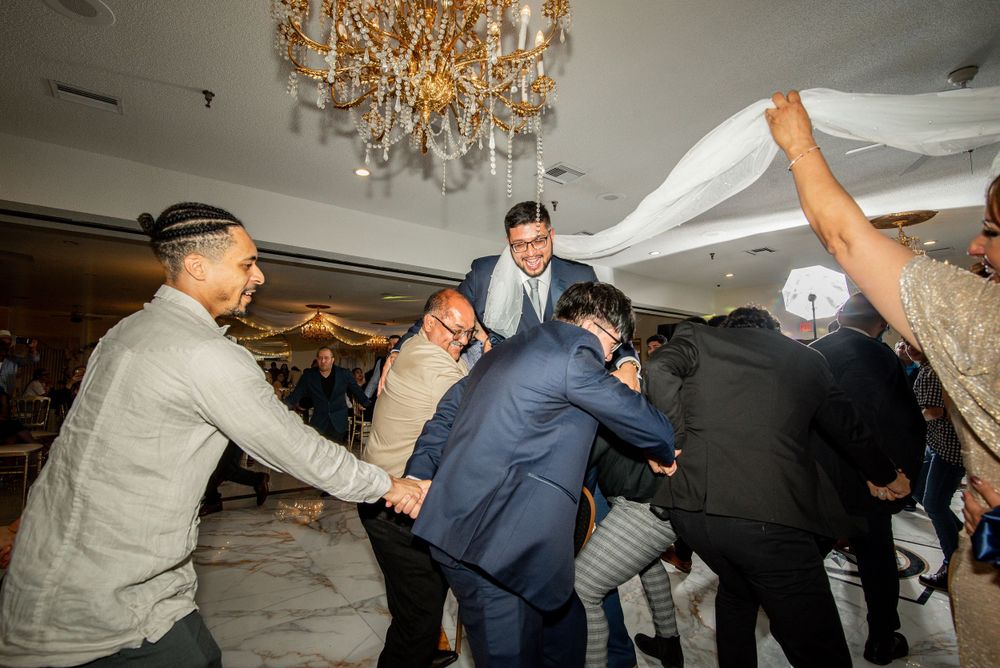
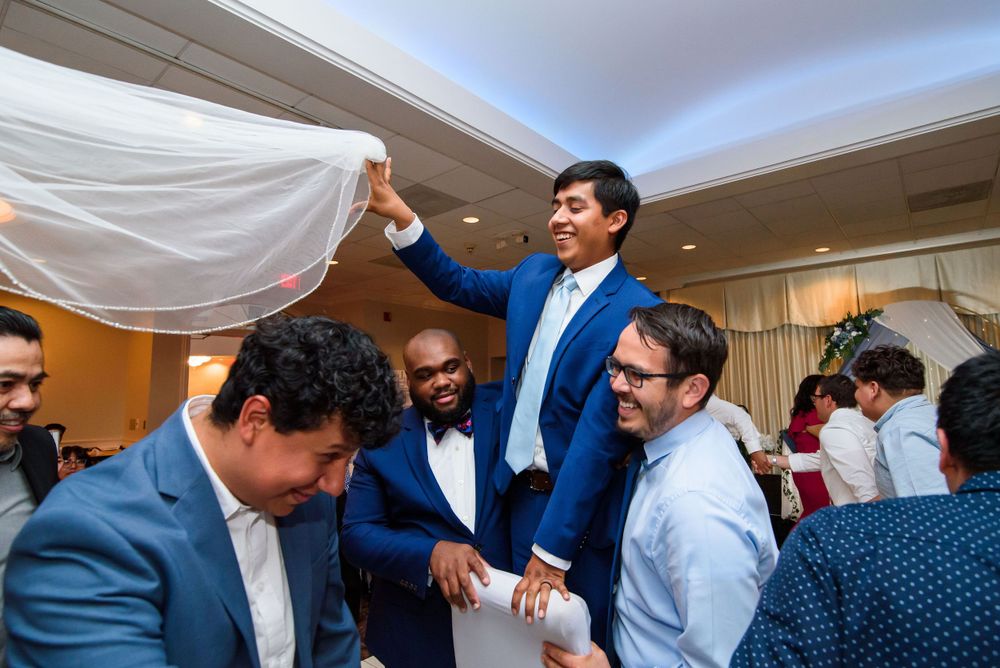
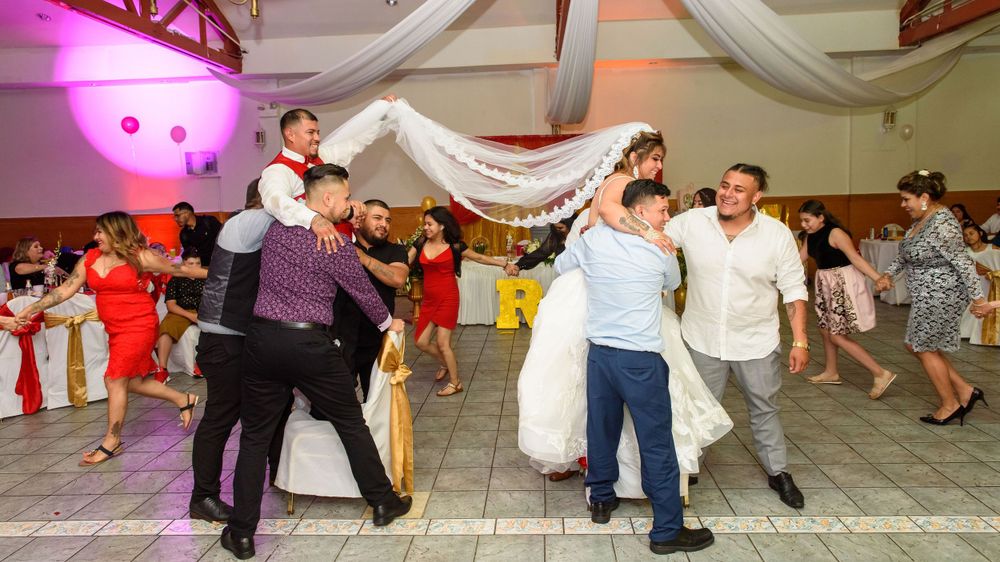
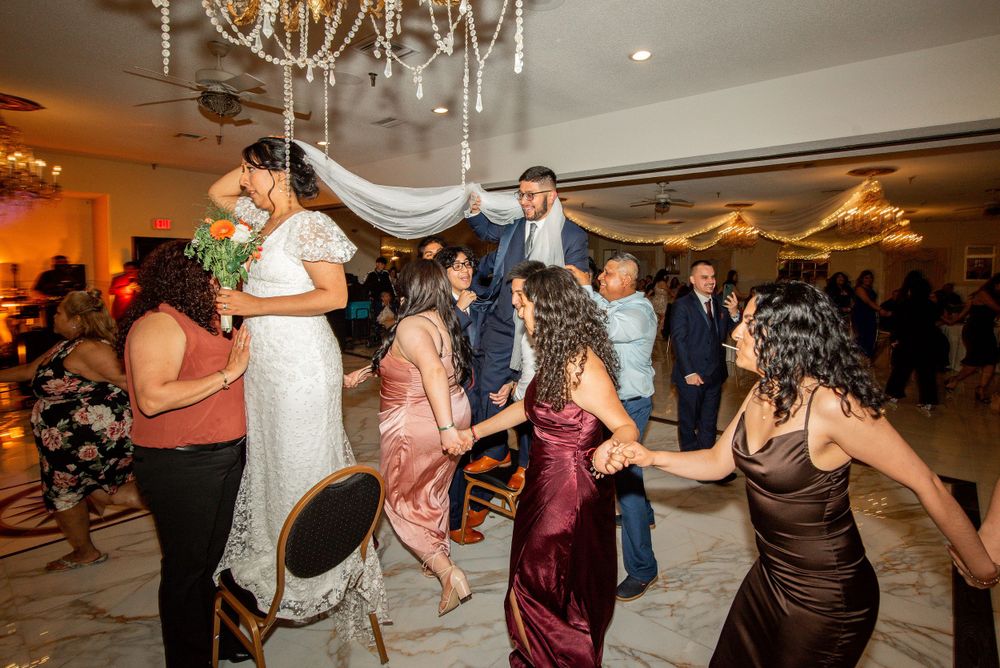
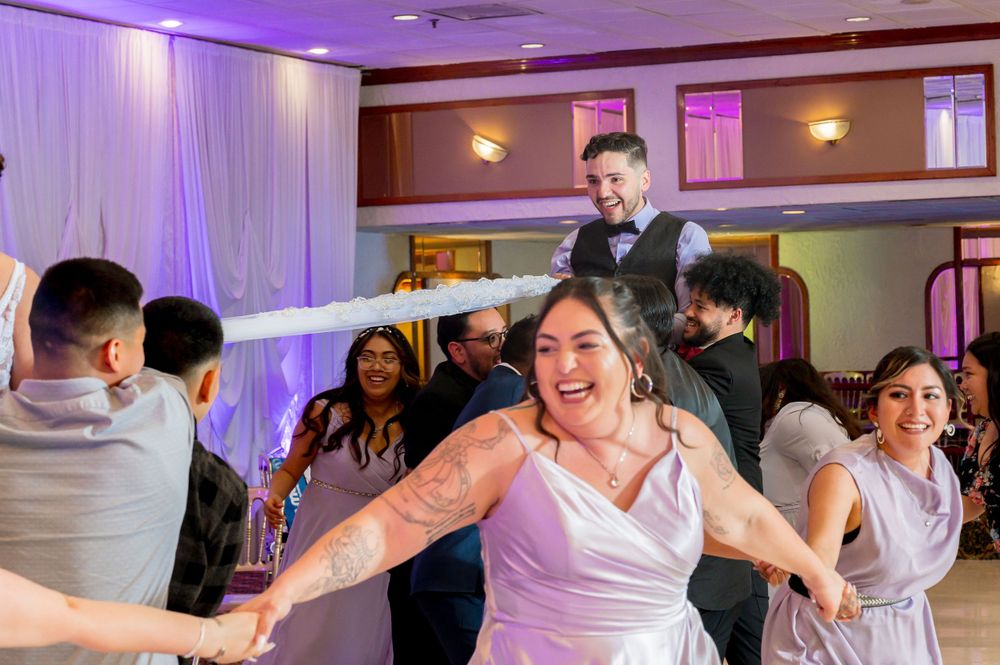
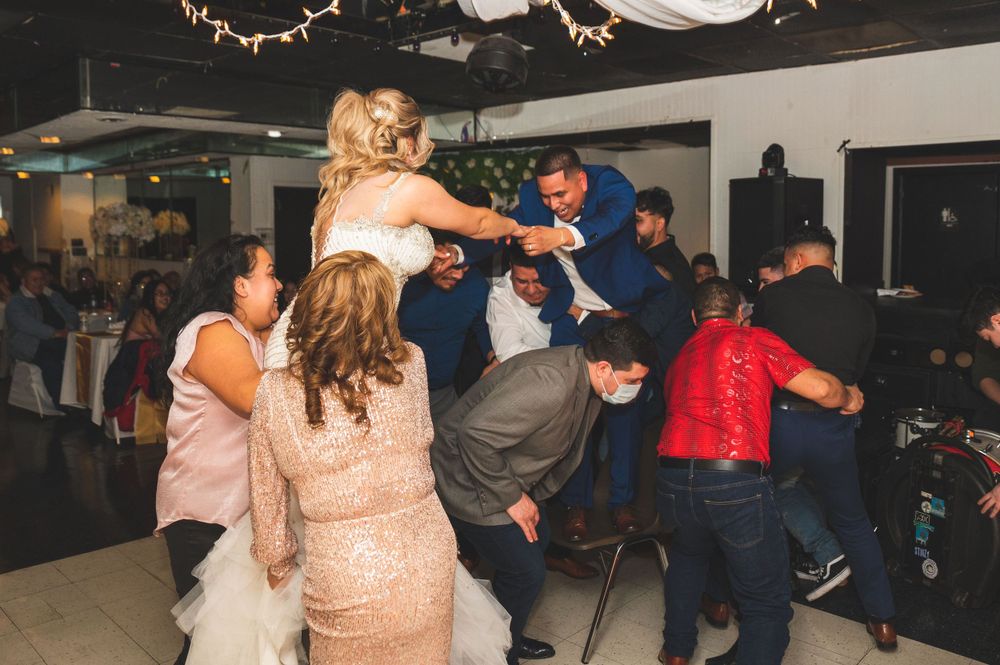
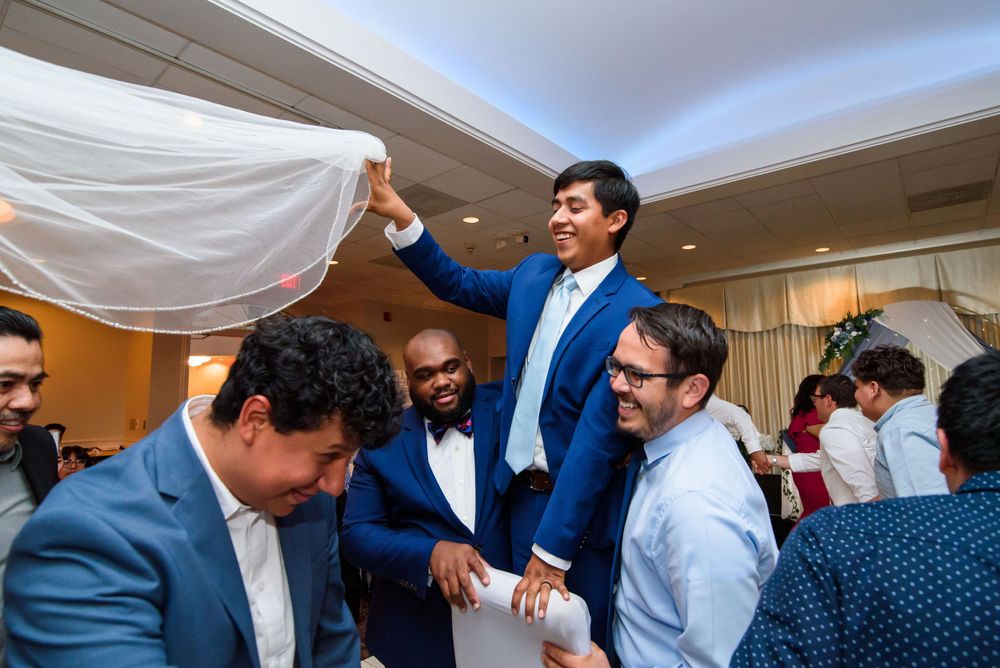
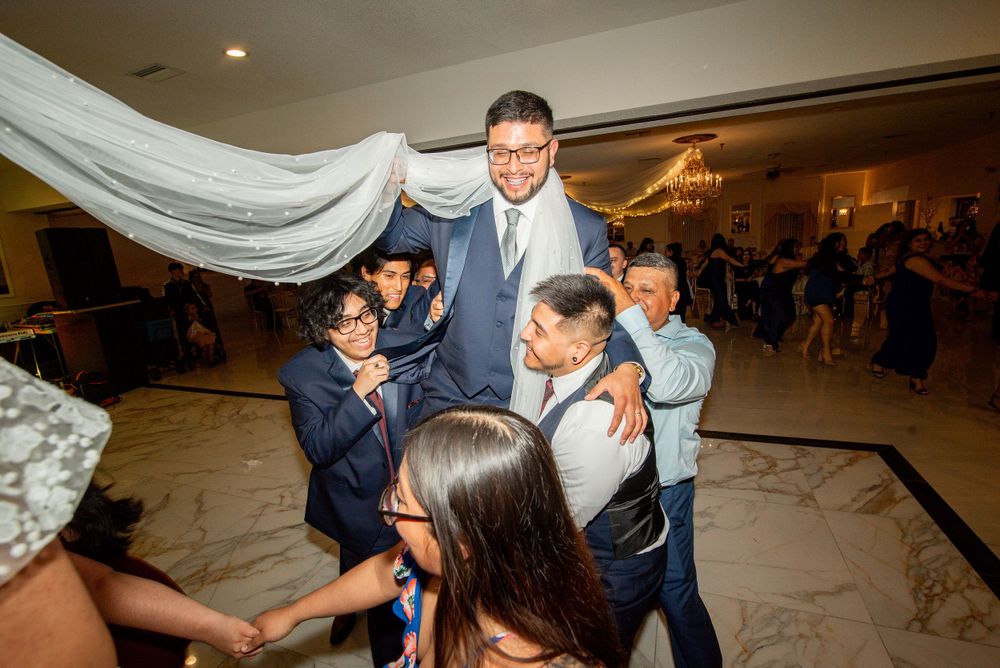
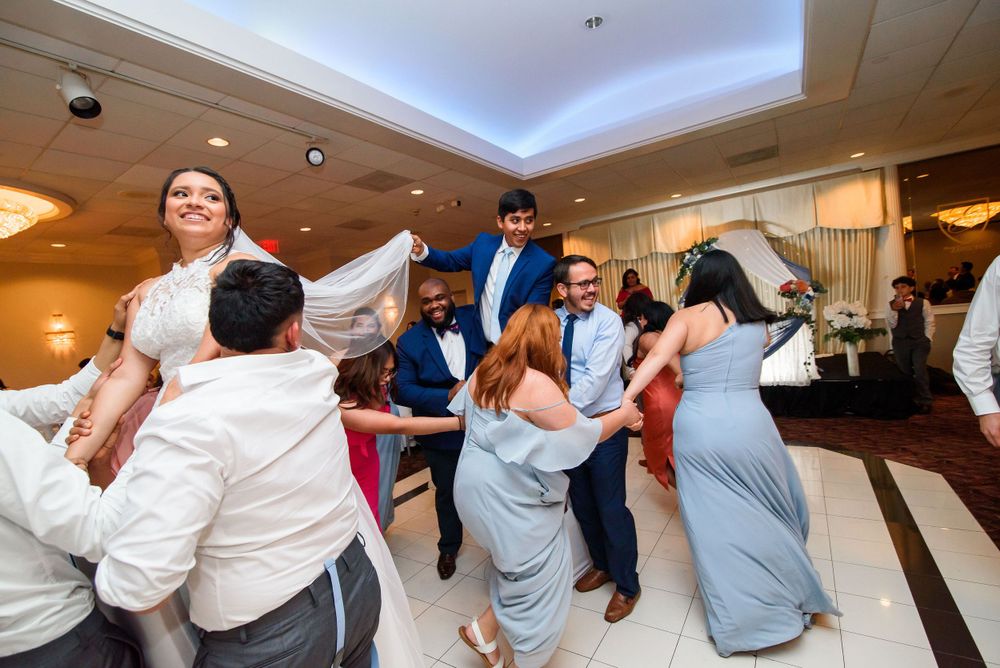
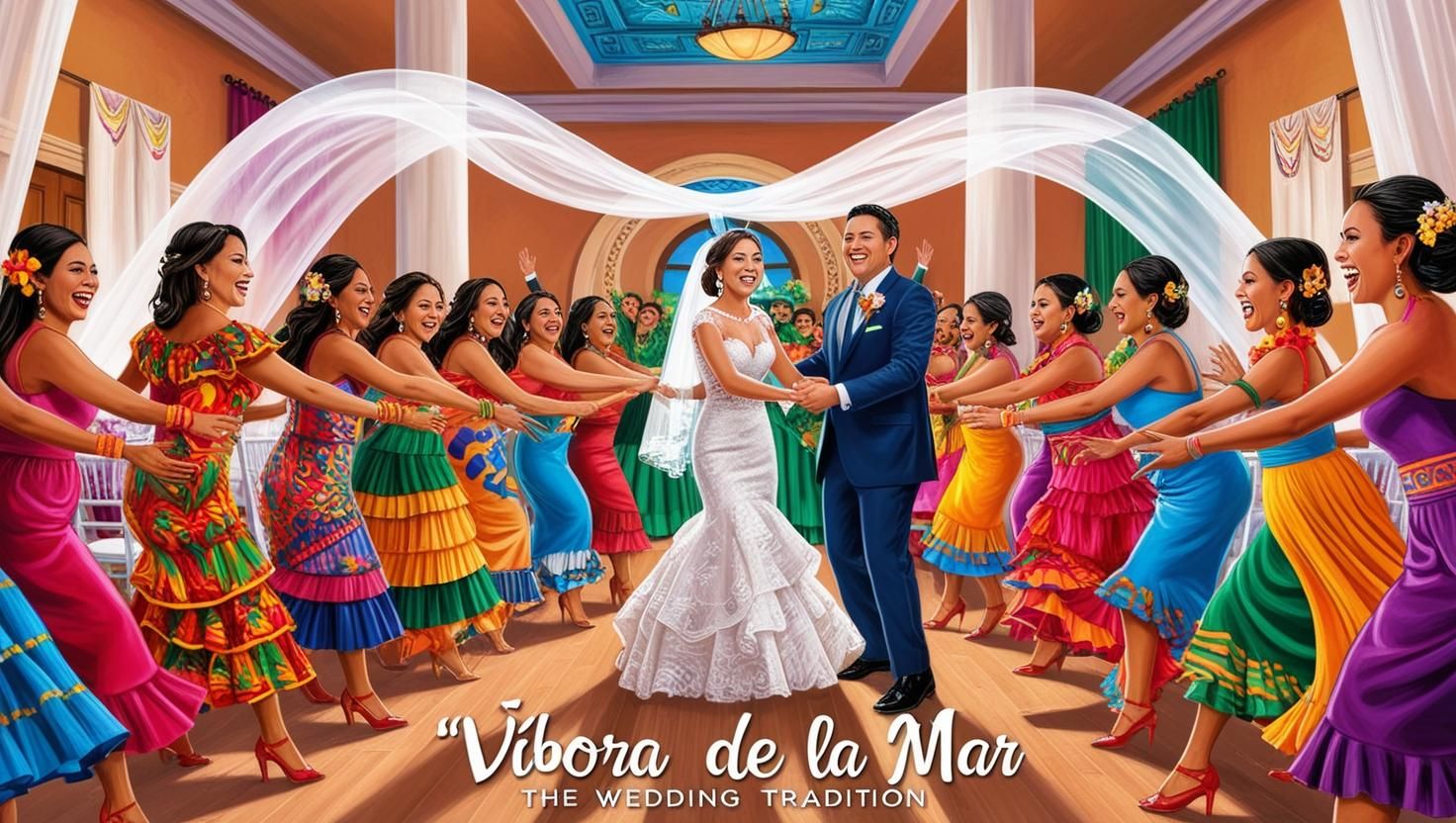
- The Bridge: The bride and groom stand on chairs facing each other, holding a veil or a long piece of fabric between them to form a bridge. This bridge symbolizes their union and the support system they have in their family and friends.
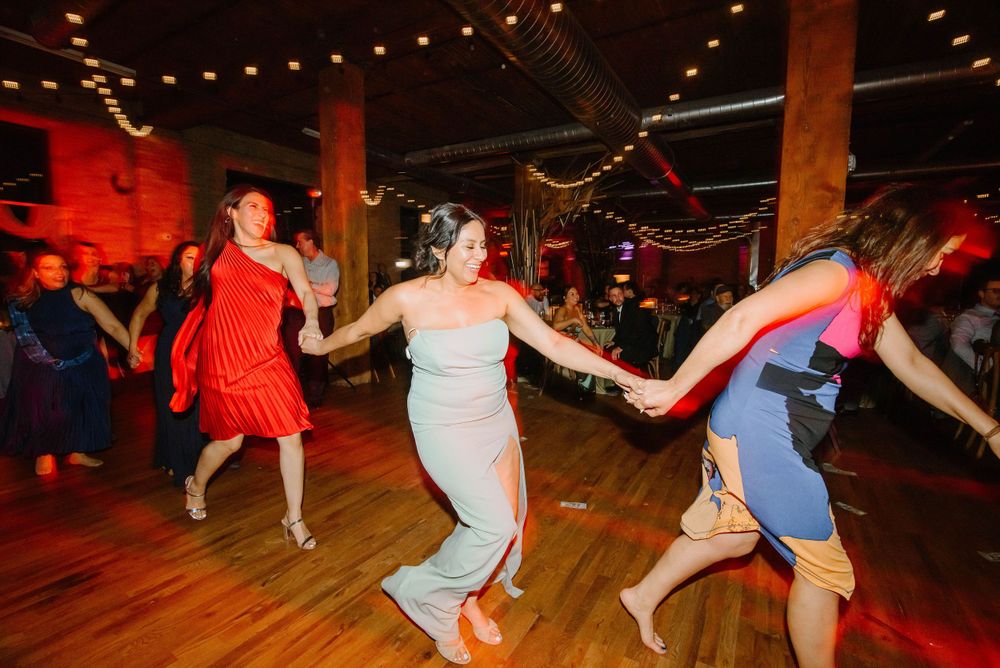
- The Snake: The vibora (snake) is formed, traditionally, the women form a line, holding hands or placing their hands on each other's shoulders. They are led by the "head" of the snake, who guides them around the dance floor. The bride's family will often hold her steady on the chair, and the groom's family will do the same for him. This action symbolizes the support and care each family provides.
- The Dance: With upbeat music playing, often a lively tune called "vibora de la mar song," the "snake" begins to weave its way around the dance floor, under the bridge, and through the venue. The goal is to playfully try to "break" the bridge by separating the couple. The energy is infectious, with guests cheering and laughing as the snake winds its way around tables and chairs.
- The Men's Turn: After the women have had their turn, the men take over, often with even more gusto! They form their own "snake" and attempt to break the bridge, usually with a more rambunctious approach.
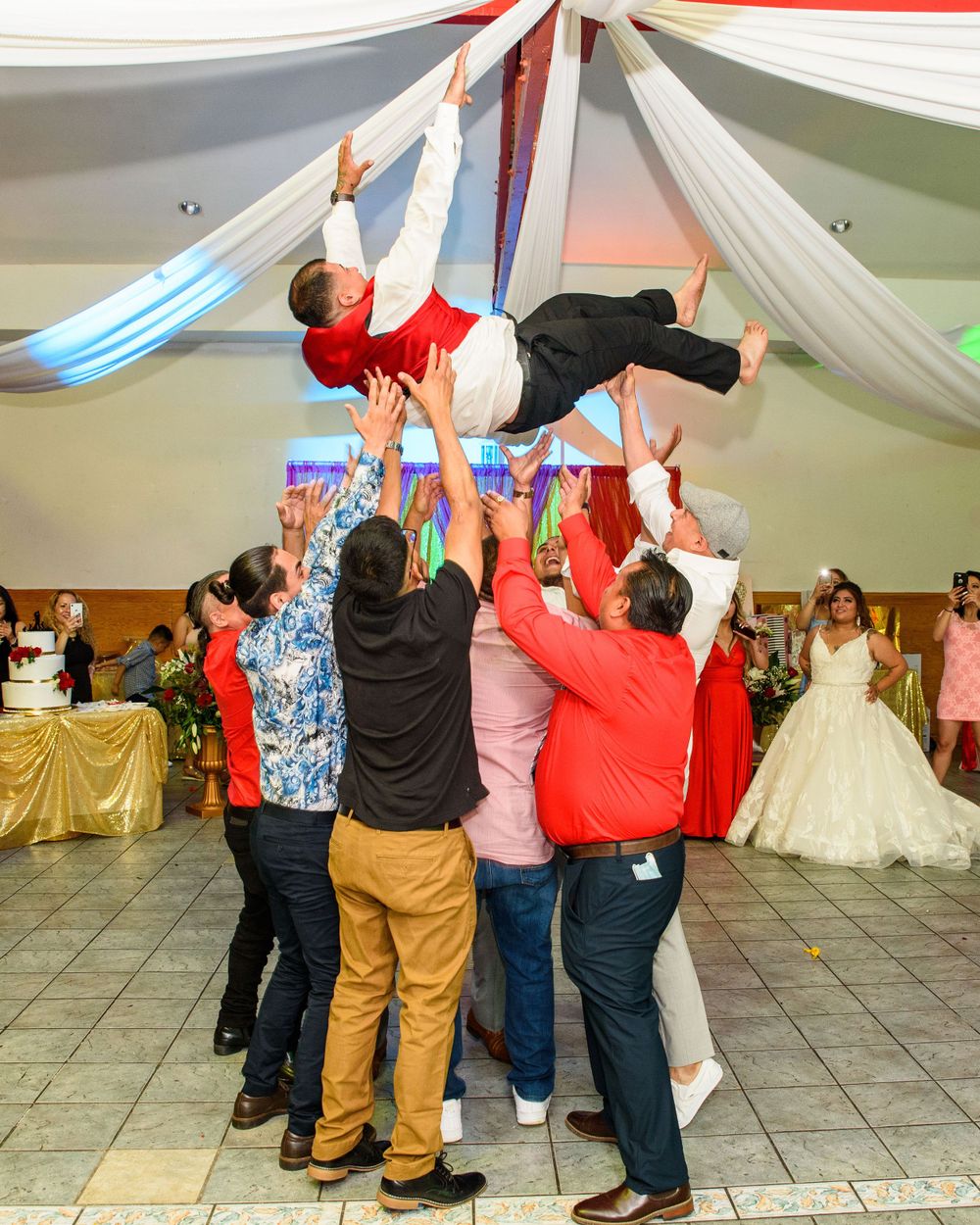
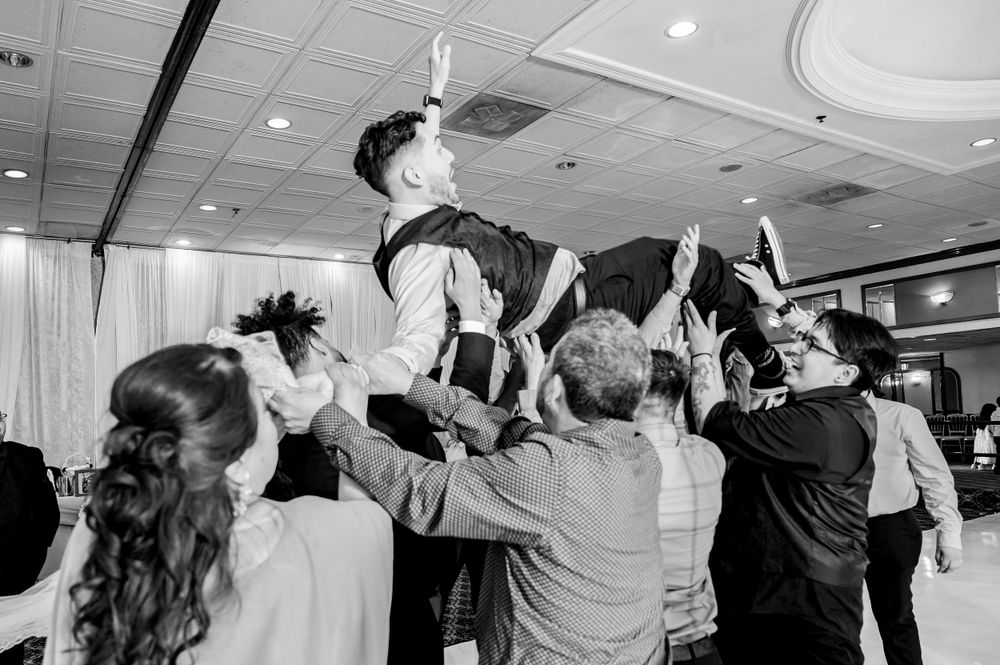
- Breaking the Bridge: If the men are successful in breaking the bridge, the groom is often lifted into the air by his friends and family, symbolizing their support and camaraderie. It's not uncommon for the groom to lose a shoe (or even a sock!) in the process, adding to the fun and laughter. Sometimes, the men will even playfully toss the groom into the air, creating a truly memorable moment and a fantastic photo opportunity. Some people have also seen a vibora de la mar wedding fight break out during this time.
The Meaning Behind the Vibora de la Mar
While the "Víbora de la Mar" is undoubtedly entertaining, it carries a deeper meaning. It represents:
- The Challenges of Marriage: The unpredictable movements of the "snake" symbolize the challenges and obstacles that every couple faces in their marriage.
- Support System: The bridge formed by the couple and the support of their families represent the importance of a strong support system in navigating those challenges.
- Resilience and Unity: The couple's efforts to maintain the bridge symbolize their commitment to working together to overcome obstacles and maintain their unity.
- Joy and Celebration: The laughter and energy of the dance reflect the joy and celebration of the wedding day and the couple's new life together.
Capturing the Vibora de la Mar: A Chicago Wedding Photographer's Perspective
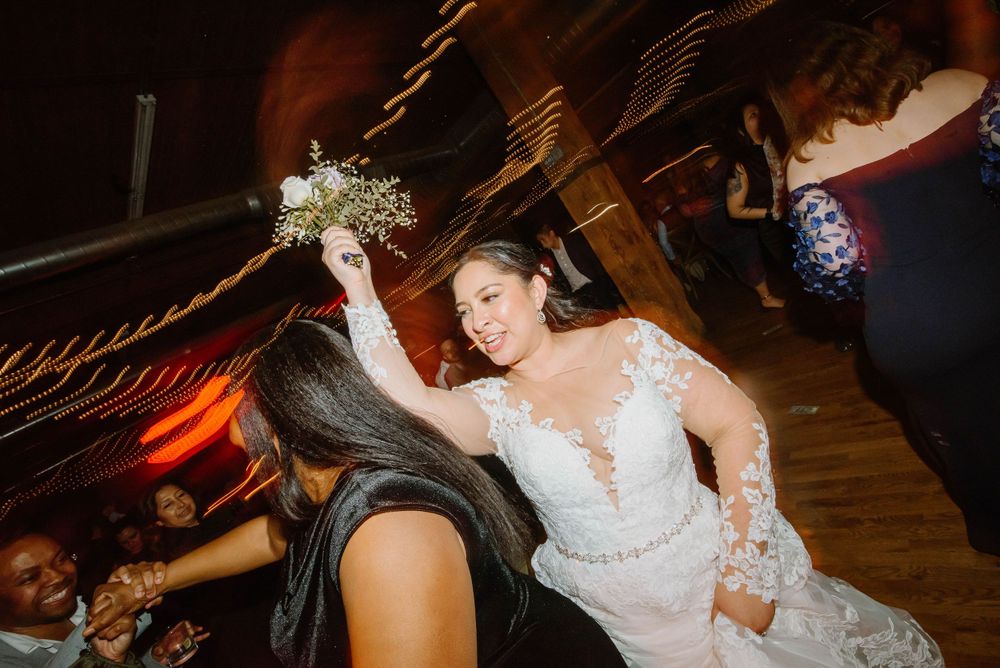
As a Chicago wedding photographer specializing in capturing authentic moments, the "Víbora de la Mar" is one of my favorite traditions to photograph. The movement, the laughter, the raw emotion – it all makes for stunning candid shots that tell the story of the day in a unique and captivating way. There are many candid shots that a photographer can take during the vibora.
Tips for an Unforgettable Vibora de la Mar
If you're planning to include the "Víbora de la Mar" in your wedding, here are a few tips:
- Space: Ensure there's ample space on the dance floor for the "snake" to move around freely.
- Lighting: Good lighting is crucial for capturing all the action. Discuss your lighting plan with your photographer and venue.
- Communicate with your DJ: So they know when to play vibora de la mar song.
- Embrace the Chaos: Don't be afraid to let loose and have fun! The more energy and enthusiasm, the better the photos (and the memories) will be.
The "Víbora de la Mar" is more than just a Mexican wedding tradition; it's a vibrant expression of love, support, and the joy of embarking on a new life together. It's a reminder that marriage is an adventure, and with the right partner and a strong support system, you can navigate any challenge that comes your way.
Ready to capture the magic of your wedding day, including cherished traditions like the "Vibora de la Mar"? As an experienced Chicago wedding photographer, I'm passionate about documenting the unique moments that make your celebration unforgettable. Contact me today for a free consultation, and let's discuss how we can create stunning images that you'll treasure for a lifetime!
History of Víbora de la Mar
The Víbora de la Mar is a beloved Mexican wedding tradition with deep cultural and historical roots. While its exact origins are not precisely documented, it is widely believed to have originated in central and southern Mexico, where many indigenous and Spanish traditions merged to create the vibrant wedding customs seen today.
Where Did the Tradition Start?
The name "Víbora de la Mar" comes from an old Mexican children’s song of the same name, which tells a story of a snake weaving through the sea. This game-like dance became integrated into weddings as a fun yet symbolic ritual representing the ups and downs of marriage. The unpredictable, wavy movement of the "snake" is a metaphor for the challenges couples will face in their journey together.
What Part of Mexico Does It Come From?
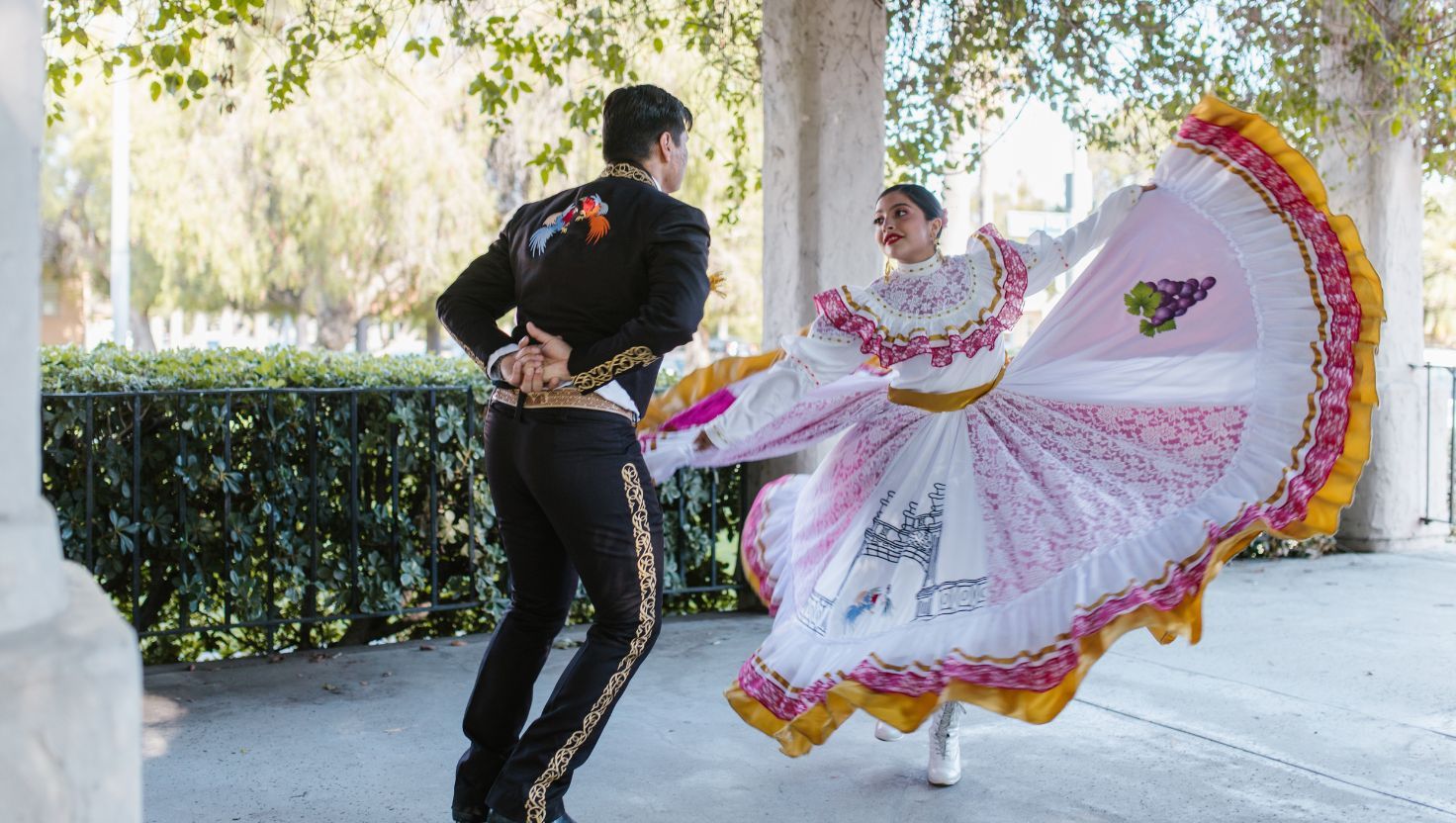
This tradition is most commonly associated with central Mexico, particularly in states like Mexico City, Puebla, Guanajuato, and Jalisco. However, it has spread to many regions throughout the country and is a common sight at weddings nationwide. Due to the influence of Mexican immigrants, it is also a well-loved tradition at Mexican-American weddings in the United States.
Are There Variations in Different Latin American Countries?
Yes! While Víbora de la Mar is primarily a Mexican tradition, similar celebratory dances can be found in other Latin American cultures:
- El Baile del Billete (Money Dance) in Mexico and the Philippines – While different in execution, this also symbolizes financial support and good fortune for the couple.
- La Serpentina in Argentina and Uruguay – A variation of a snake-like dance performed at large celebrations.
- El Baile del Pañuelo (Handkerchief Dance) in Peru – Involves intricate dance steps, symbolizing unity and festivity.
Each country has its way of infusing unique cultural elements into wedding traditions, but the core themes of celebration, joy, and togetherness remain universal.
How to Incorporate Víbora de la Mar into Modern Weddings
Many couples today seek to blend tradition with modernity, creating a wedding that feels both meaningful and fresh. Here’s how you can incorporate Víbora de la Mar into a contemporary wedding celebration:
1. Choose a Fun and Modern Song
While the classic "Víbora de la Mar" song is traditionally played, some couples opt for a remix or a different upbeat song that fits their wedding theme. Popular alternatives include:
- Cumbia versions to add a fun rhythm.
- Reggaeton or Latin pop remixes to hype up the crowd.
- Mariachi versions for a classic Mexican touch.
2. Personalize the Dance
- Instead of just forming the "snake," add props like glow sticks, LED bracelets, or even funny hats to create a more party-like vibe.
- Make it a competition between the bride’s and groom’s sides to see which group can last longer before breaking the bridge.
3. Work With Your DJ or Band
Ensure your DJ or band is familiar with the tradition. The timing of the song and transitions from one phase of the dance to the next can make a big difference in energy levels and guest participation.
4. Capture the Moment Creatively
Photographers should be ready to capture the fun, motion, and laughter. Some creative shots include:
- Aerial view of the snake winding through the dance floor.
- Close-ups of guests laughing and running.
- The moment the groom is lifted into the air!
5. Combine With Other Traditions
Many couples mix Víbora de la Mar with the Money Dance, bouquet toss, or garter toss to keep the excitement going.
Frequently Asked Questions (FAQs)
1. Is Víbora de la Mar Only for Mexican Weddings?
While it is a traditional Mexican wedding dance, it has become popular at many Latino and multicultural weddings. Even non-Mexican couples who want to add a fun, interactive element to their reception incorporate this tradition.
2. What Song Is Played During Víbora de la Mar?
The traditional song is "La Víbora de la Mar," an old Mexican folk tune with a fast-paced, infectious rhythm. However, some couples choose modern alternatives, such as cumbia or pop remixes, to make it more contemporary.
3. How Do You Explain Víbora de la Mar to Guests?
A simple way to explain it is: "It's a fun wedding game where guests form a 'snake' and try to break through a 'bridge' formed by the bride and groom. It symbolizes the ups and downs of marriage, teamwork, and the love and support of family and friends."
4. Can You Do This Tradition at a Non-Mexican Wedding?
Absolutely! If you’re looking for a high-energy activity that gets everyone involved, this is a fantastic way to bring excitement to your wedding. You can modify it by using different music or explaining it in a way that fits your cultural background.